
Americans are becoming more health-conscious, and many depend on the Food and Drug Administration’s Nutrition Facts label for nutritional guidance. The labels have always provided consumers with details, including calories per serving, serving sizes and vitamin content. However, new research has found that the information provided by the Nutrition Facts label isn’t as helpful as intended.
Manufacturers Required to Follow Changes by 2018
In 2016, the FDA announced that it would make significant changes to the Nutrition Facts label, and food manufacturers would be required to follow these changes by 2018. These modifications reflect new understanding of Americans’ dietary habits as well as what constitutes a balanced diet. For those in the food industry, understanding why these changes were necessary is important for maintaining compliance with FDA regulations. The following guide details the new Nutrition Facts label.
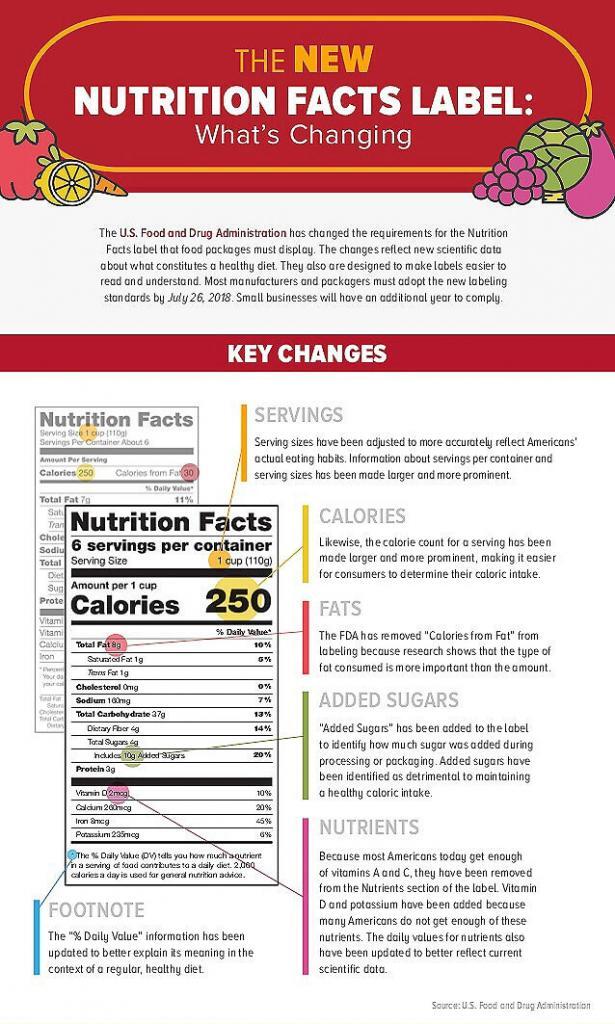
This was created by Westfalia.
Are you ready for these changes? Give us a call at 800.851.4995 to make sure you’re good to go in July!
Related Articles

When Cattle Inventory Is Tight and Labor Is Tighter: How to Gain a Competitive Edge with Automation
Key Takeaways Beef processors are facing mounting pressure from tight cattle supplies and persistent labor shortages. For small to mid-sized operations, automation doesn’t have to mean replacing workers or investing in massive new systems. [...]

Choosing the Right Automation Partner: 4 Questions Every Regional Beef Processor Should Ask
Key Takeaways Automation can give regional beef processors a real competitive edge—but only when it’s right-sized and backed by the right partner. This blog outlines the key questions regional processors should ask when evaluating [...]
Automation ROI for Regional Beef Processors: Where to Start and What to Expect
Key Takeaways Beef processors are under increasing pressure from labor shortages, rising wages, and higher expectations for quality and sustainability. As a result, automation is being reevaluated—not as a simple cost-reduction tool, but as [...]